

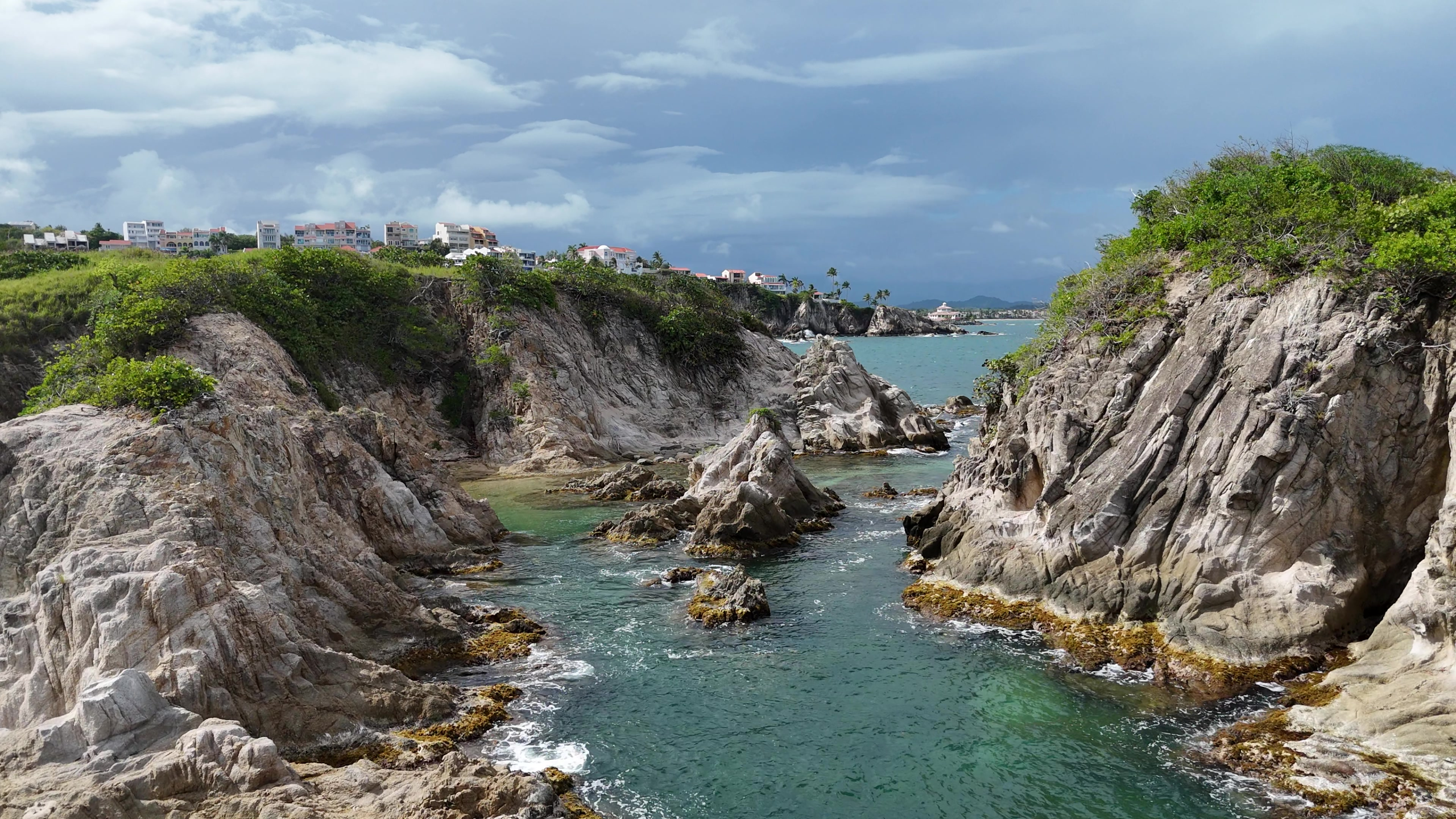
There is a particular kind of moment that nature travelers live for. Not the crowded viewpoint with the gift shop and the parking lot, but the one you stumbled onto by accident: a trail that peeled away from the main path, a creek you heard before you saw it, a meadow that felt like it had been waiting there undisturbed for years. Those moments don’t happen by luck as often as people think. They happen because you know how to look.
If you travel for scenery, for solitude, and for the particular feeling of being somewhere genuinely wild, this guide is for you. Here is how to consistently find the places that don’t make the highlight reels, and how to experience them fully when you do.
Stop Optimizing for the Famous Stuff
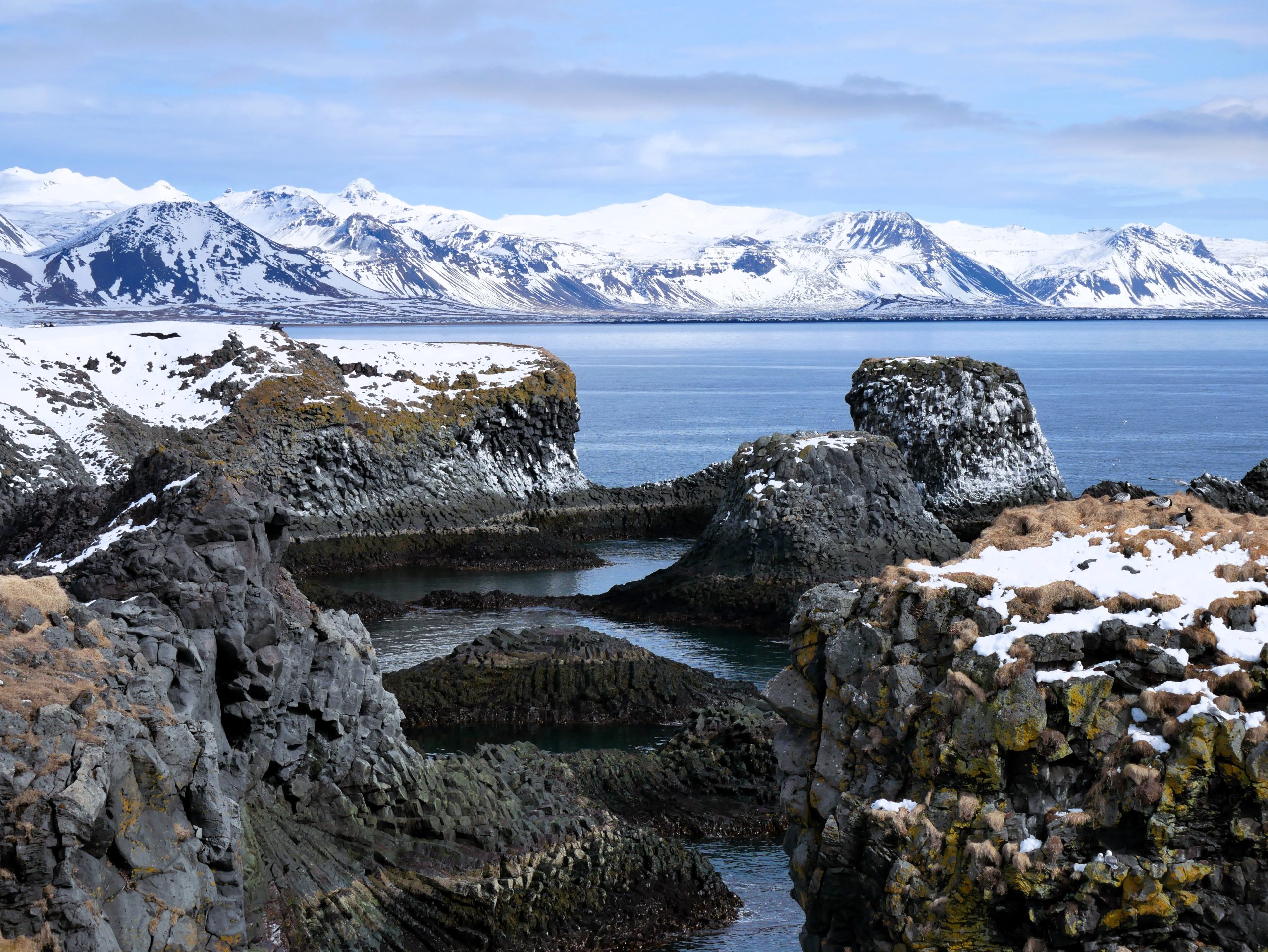
Most travel planning starts with a Google search that surfaces the same ten destinations everyone else is visiting. That’s not a criticism of those places; many of them are extraordinary. But if the experience you’re after is one of quiet immersion rather than a crowded photo opportunity, the famous spots will often disappoint.
The better approach is to plan around a region rather than a landmark. Instead of asking “what are the top things to see in X,” ask “what is this landscape actually like, and where does it show up in its least disturbed form?”
Regional nature guides, state park websites, and local hiking forums are far more useful here than travel aggregators. So are bloggers who write with genuine specificity about a place, the kind of writers who tell you which trailhead to park at, what the mud situation is in spring, and whether the waterfall is worth the extra mile. Carried Away Travels is a good example of the kind of honest, practical travel content that actually helps you make those calls.
Learn to Read the Land Before You Go
A little landscape literacy goes a long way. Understanding the basic geography of a region (its watershed, its elevation changes, its seasonal rhythms) helps you anticipate where the interesting things will be. Waterfalls tend to appear where resistant rock meets softer stone. Wildlife concentrates near water at dusk. Wildflower blooms follow the snowmelt up a mountain over the course of weeks, which means if you’ve just missed the peak at lower elevations, you can chase it higher.
Topographic maps are your best tool here. Free apps like Gaia GPS or CalTopo let you trace drainages, identify saddles, and spot the kinds of terrain features that tend to hide beautiful things. Spend 20 minutes with a topo map before any trip, and you will arrive with a completely different quality of attention.
Choose Approachable Adventures That Still Feel Wild
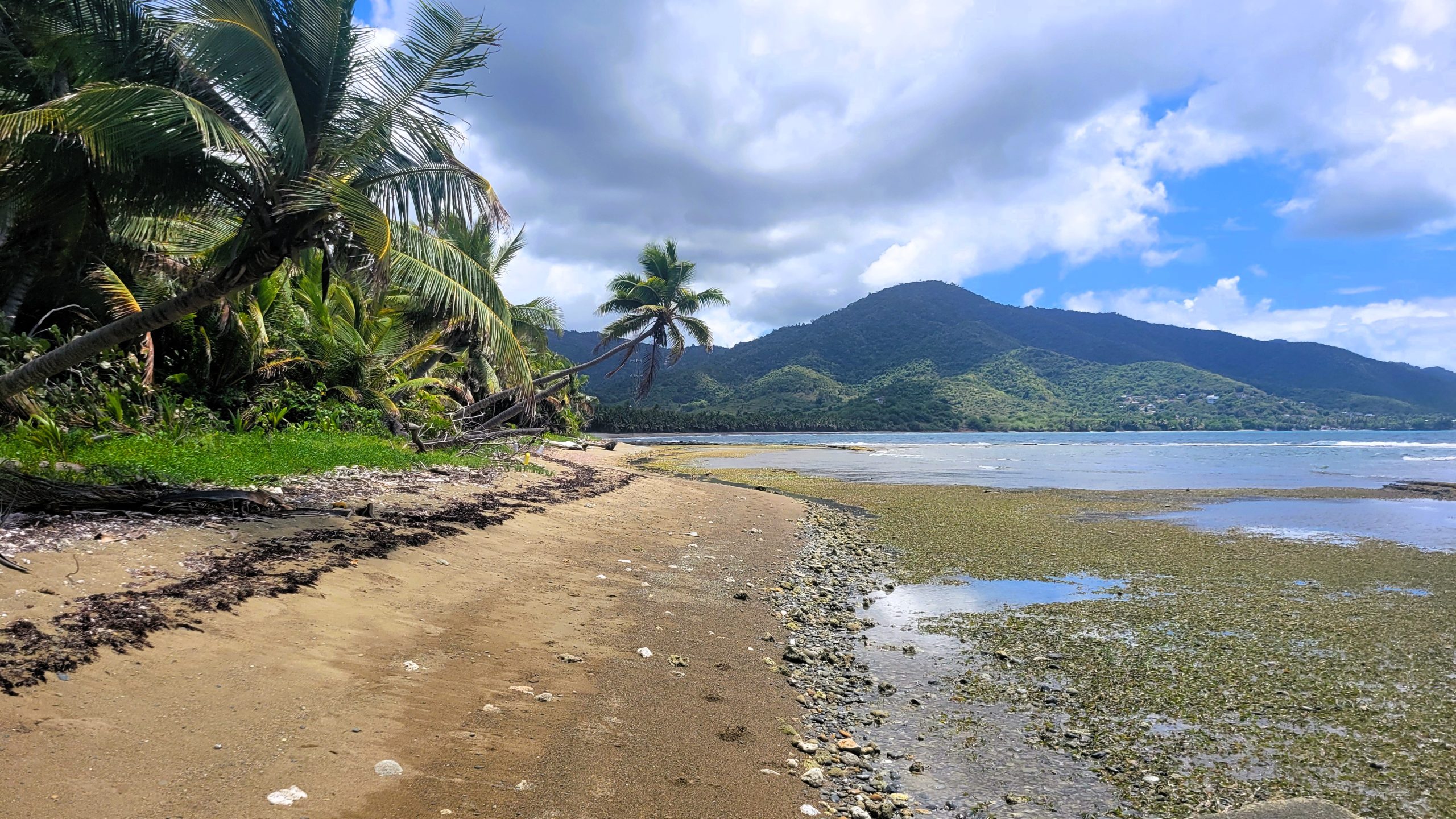
Hidden doesn’t have to mean remote, and scenic doesn’t have to mean strenuous. Some of the most rewarding natural experiences are genuinely accessible: a state forest with unmaintained trails that simply aren’t on anyone’s radar, a county park that preserves a stretch of old-growth woodland, a river access point with a pull-off and no signage that leads to a quiet hour of watching herons work a sandbar.
When planning your route, look for land managed by agencies other than the big national parks. Bureau of Land Management areas, state wildlife management areas, national forests, and land trust preserves often offer comparable beauty with a fraction of the foot traffic. These places reward the traveler who did the research.
If you’re new to this style of travel and want to build your confidence quickly, start with short loops in areas you can easily return to. Getting comfortable navigating, reading conditions, and adjusting plans on the fly is a skill, and it compounds. Every trip makes the next one better.
Be Present in a Way That Most People Aren’t
Getting to a beautiful place is only half of it. The other half is actually being there.
That means leaving your earbuds in the car, at least for a while. It means sitting still long enough for the birds to forget you’re there. It means noticing the light at different times of day rather than arriving at noon because that’s when you happened to show up. The travelers who consistently have the richest experiences in natural places are the ones who have learned to slow down rather than cover ground.
Keeping a nature journal, even just a few sentences per day, helps too. Writing down what you noticed sharpens your powers of observation over time. You start to see more because you’ve trained yourself to look.
Turn the Passion Into Something Lasting
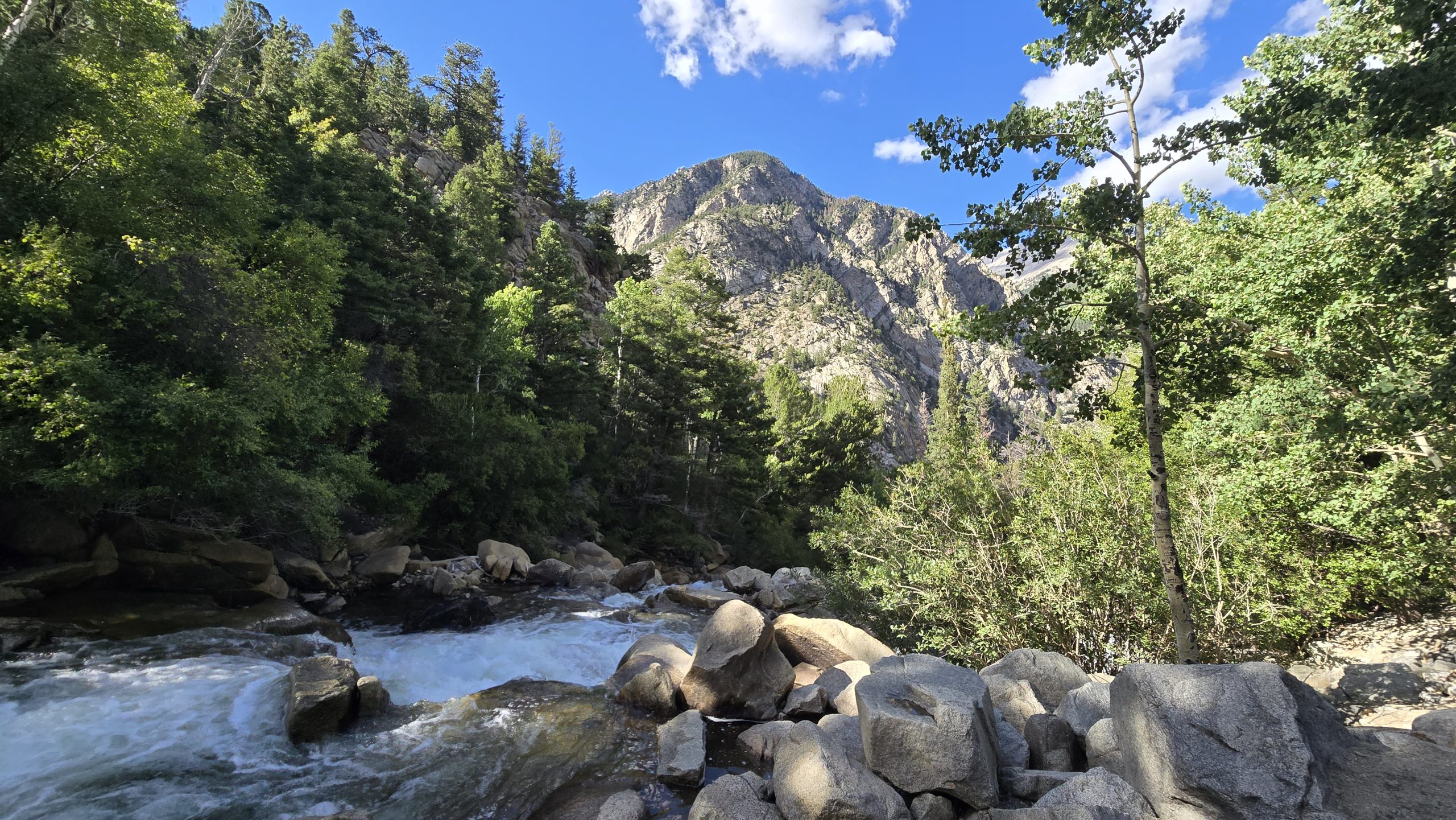
For travelers who find themselves consistently drawn to this kind of experience, there’s a natural question that eventually surfaces: can this become more than a hobby? The answer is increasingly yes. Nature travel content, honest and place-specific and written for people who actually want to go, is genuinely valuable and in steady demand.
Building that kind of platform, or any creative travel business, goes more smoothly with some grounding in how businesses actually work. Understanding budgeting, audience development, contracts, and long-term planning makes the difference between a project that fizzles and one that grows. For travelers interested in that foundation, pursuing a bachelor’s in business administration online (available here) offers practical skills in management, communications, and finance that translate directly into running a content business while continuing to travel.
A Few Practical Notes Before You Go
Pack for conditions, not for your best-case scenario. Layers, a waterproof shell, and a good pair of waterproof boots expand the range of places and weather you can comfortably explore. A small daypack with water, snacks, a paper map, and a first aid kit are standard for any trail that takes you more than a mile from the car.
Tell someone your plan. Leave a note with your route, your expected return time, and a contact number. This is especially important when you’re heading somewhere genuinely off the beaten path, which is precisely where the best things tend to be.
And go. The hidden gem you’re imagining is out there, a few miles from a trailhead no one else is using on a Tuesday afternoon, waiting for a traveler who did the work to find it.
Many thanks to Lance Cody-Valdez for yet another wonderful guest post! If you want to check out his website, be sure to visit him at free-lance-now.com! And check out his other guest posts here!
And don’t forget to subscribe to the blog for weekly posts before you go!
Until next time, happy travels!